


Netherlands World Cup 2026: Squad, Tactics and 2-2 Opening Draw with Japan
Latest Netherlands World Cup 2026 preview and team update: Ronald Koeman's Oranje drew 2-2 with Japan in their Group F opener on 14 June. Read the squad makeup, tactical plan and what the draw means for the Dutch campaign.
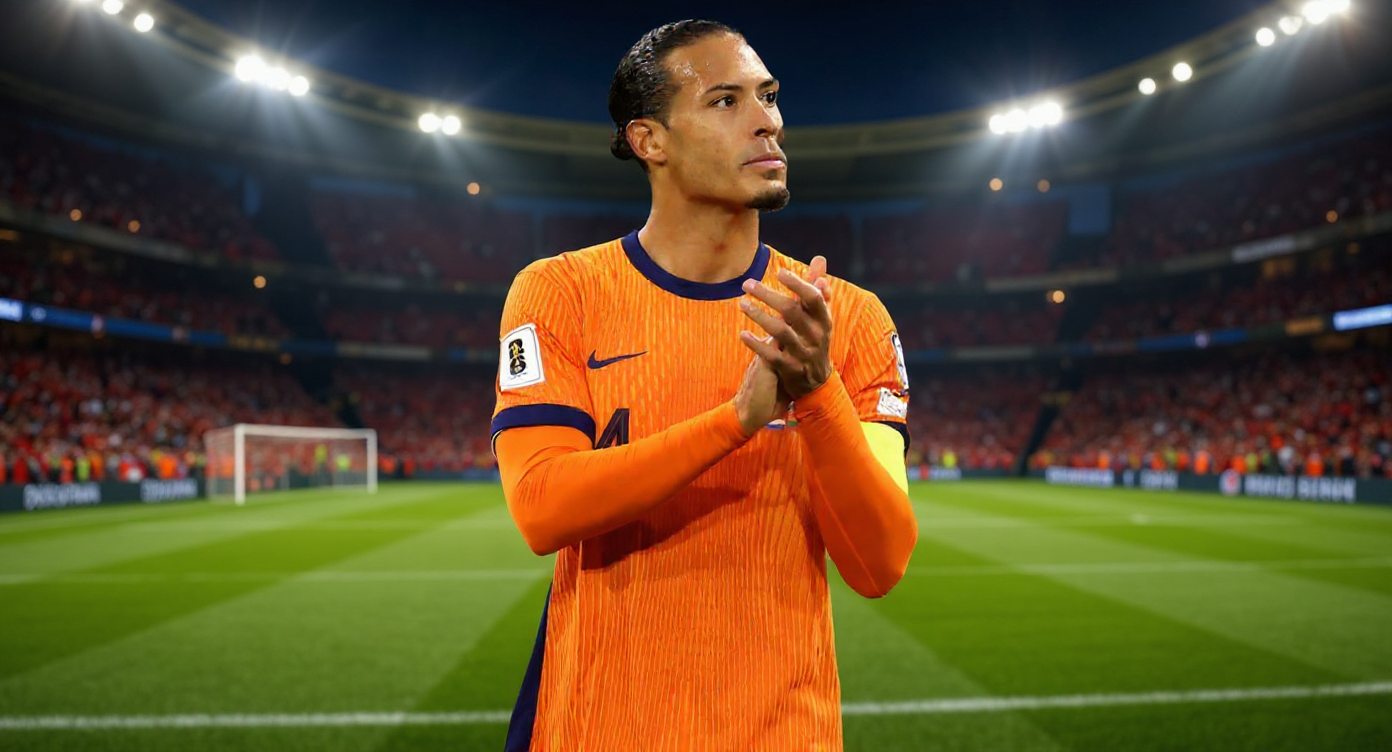
The Netherlands arrive at the 2026 World Cup under Ronald Koeman with genuine title hopes and a packed, flexible squad — and the Oranje began their Group F campaign with a 2-2 draw against Japan on 14 June. The draw leaves the Dutch with work to do but also underscores the questions Koeman must answer about turning possession dominance into consistent goals at the tournament.
Why it matters
Fans and pundits expected a strong start: the Netherlands went into the tournament ranked seventh in the world after an undefeated qualification run. How Koeman turns that pre-tournament form into knockout-stage progress will define whether this squad finally sheds the label of the most gifted nation never to lift the World Cup.
How Koeman sets up his Oranje
Koeman’s preferred base is a possession-oriented 4-3-3 that prioritises width and ball control, but he is happy to switch to more compact shapes such as a 3-4-1-2 or 5-3-2 against stronger opponents. The system is designed to let technically gifted midfielders control tempo while giving wing-backs licence to push forward; against elite pressing teams Koeman has shown a willingness to adapt his shape to protect the backline.
During qualification the Oranje averaged 64.88% possession, evidence of a side built to dominate the ball. Central to that approach is captain Virgil van Dijk, whose distribution — including an average of 83.3 accurate passes and 3.4 successful long balls per match in qualification — helps launch attacks from the back and gives the wing-backs freedom to move higher.
Key players and squad balance
The squad combines experienced leaders with younger options. Virgil van Dijk remains the defensive anchor and captain. Midfield names include Frenkie de Jong and Ryan Gravenberch, while the forward line lists Memphis Depay — who finished qualification as the group’s top scorer with eight goals — and Cody Gakpo among the attacking options. The full squad includes goalkeepers Bart Verbruggen, Mark Flekken and Robin Roefs and defenders such as Nathan Aké and Micky van de Ven.
Koeman’s challenge is converting territorial control into clear-cut chances and consistent finishing: qualification yielded 27 goals from eight games, but the team was noted for sometimes struggling to break down low blocks, a point the manager will need to address as the tournament progresses.
Group F outlook after the Japan draw
The Netherlands were drawn in Group F alongside Japan, Sweden and Tunisia. The opening 2-2 draw with Japan means the Oranje must quickly regroup: Japan’s pressing game was previewed as a key test for the Dutch midfield, and the draw demonstrates that Group F will not be straightforward. The preview also flagged heat and travel — with fixtures scheduled in hot locations including Texas and Missouri — as a factor that could affect rotation and fitness management.
Sweden and Tunisia both represent different stylistic problems: Sweden brings physicality while Tunisia typically lines up with a disciplined, defensive organisation capable of frustrating possession-based teams.
Key points
- Netherlands ranked 7th in FIFA rankings (source preview).
- Head coach: Ronald Koeman — in charge since January 2023 (source preview).
- Captain and defensive leader: Virgil van Dijk (source preview).
- Undefeated qualification: 20 points from eight matches (six wins, two draws), 27 goals for, 4 conceded (source preview).
- Opening group game ended Netherlands 2-2 Japan (match_data).
- Group F opponents: Japan, Sweden and Tunisia (source preview).
Tactical implications from the preview and opener
If the Oranje continue to control possession but find space and finishing limited, Koeman may be pressured to tweak his forward options or change the attacking shape to extract more goals. Van Dijk’s role as both organiser and outlet for long balls gives tactical flexibility, but the team’s ability to break down low blocks — flagged in the preview — will be decisive in the knockout rounds.
The squad depth listed in the preview provides several rotation options across defence, midfield and attack; effective rotation will be critical given the environmental conditions and the compressed tournament schedule.
What it means and what happens next
The draw with Japan leaves Netherlands in a position where they must respond in the remaining group fixtures against Sweden and Tunisia to secure top spot in Group F. The preview’s central themes remain: Koeman’s tactical flexibility, Van Dijk’s leadership and the need for consistent clinical finishing. How the coach manages rotation and adapts tactics to different opponents will shape whether the Oranje can mount a deep run.
Frequently asked questions
How did the Netherlands qualify for the 2026 World Cup?
The Oranje qualified undefeated, collecting 20 points from eight qualifiers with six wins and two draws, scoring 27 goals and conceding four, according to the preview source.
What was the result of the Netherlands' opening group match?
Netherlands drew 2-2 with Japan in their Group F opener, a match that ended on 14 June 2026 (match_data).
Who is Netherlands' head coach and captain at the tournament?
Ronald Koeman is the head coach and Virgil van Dijk is the captain, as stated in the squad preview.
Which teams are in Netherlands' Group F?
Group F contains Netherlands, Japan, Sweden and Tunisia, per the World Cup preview.